Coloured Pencils
Best Coloured Pencil Sets
The best coloured (colored) pencil sets by need: beginner, hobbyist, portrait, wildlife, still life, water-soluble and professional, with advice on set size.
This guide contains affiliate links. If you buy through them we may earn a small commission at no cost to you. How this works.
Jump to recommended products
Key takeaways
- ◆The best set depends on what you draw: Chromaflow for beginners, Coloursoft for soft portraits, Polychromos for detail and wildlife, and Derwent Drawing for muted, earthy work.
- ◆Inktense is a water-soluble ink pencil that becomes permanent when dry, so it suits wash-based work rather than dry layering.
- ◆Set size is about workflow, not prestige: a small set teaches colour mixing, a mid-sized set covers most subjects, and a large set saves time on complex work.
- ◆Professional ranges such as Polychromos, Luminance and Lightfast reward artists who sell or exhibit; check lightfastness charts for your colours.
- ◆Take the which pencil set quiz for a personal recommendation, and check current ranges and prices before buying.
The best coloured pencil set - colored pencil set, if you are searching from the US - is the one that matches what you draw and how you like to work. A beginner learning to blend, a portrait artist chasing smooth skin, and a wildlife artist drawing individual hairs all need different pencils, and none of them needs the biggest box on the shelf.
This guide is organised by need rather than by counting pencils. For each need it names the sets we would look at first, explains why, and says who should look elsewhere. If you would rather have a personalised answer, take the which pencil set quiz first. For the full picture of the medium, see our complete coloured pencil guide.
The short list by need
| Need | Set to look at first | Why |
|---|---|---|
| Beginner | Derwent Chromaflow | Vibrant, soft, easy to blend |
| Hobbyist | Derwent Coloursoft or Faber-Castell Goldfaber | Rich soft blending, or firm and versatile |
| Portraits | Derwent Coloursoft (or Luminance) | Soft blending for skin |
| Wildlife and detail | Faber-Castell Polychromos | Firm, precise, sharp points |
| Still life | Faber-Castell Polychromos, plus soft pencils | Crisp edges and clean layering |
| Water-soluble | Derwent Inktense | Ink pencils that become permanent when dry |
| Professional | Polychromos, Luminance or Lightfast | Artist-grade reliability |
Colour counts and set contents change over time, so check each maker’s current range and lightfastness information before you buy.
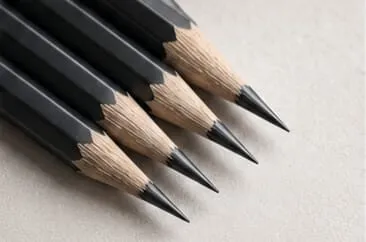
Four sharpened black pencils with grey leads on textured paper.
Best set for beginners
Derwent Chromaflow is our first pick for a first set. Michael describes it as vibrant, soft and easy to blend, and perfect for learning layering and colour transitions. Bright, forgiving colour lets a new artist see results quickly, which keeps motivation high while the fundamentals sink in.
Two alternatives worth knowing are Prismacolor Premier, famous for its creamy, smooth ease of use, and Faber-Castell Goldfaber, which is firm enough for detail and soft enough for shading and is a good introduction to the feel of Polychromos. Our best coloured pencils for beginners guide compares these in depth, and the coloured pencil drawing for beginners guide shows how to use them.
Who should look elsewhere: if you already know you love fine detail, a small Polychromos set may suit you better than a soft beginner set.
Best set for hobbyists
Hobbyists usually want enjoyable, reliable pencils without professional pricing. Derwent Coloursoft is a lovely middle path: velvety and rich, with soft blending and painterly effects. Goldfaber is the choice if you prefer a firmer pencil for tidy detail and shading.
If you draw for pleasure and give away or hang your work in a shaded room, lightfastness matters less than feel. Choose the set that you enjoy holding, and keep a small collection of single pencils for colours you use most.
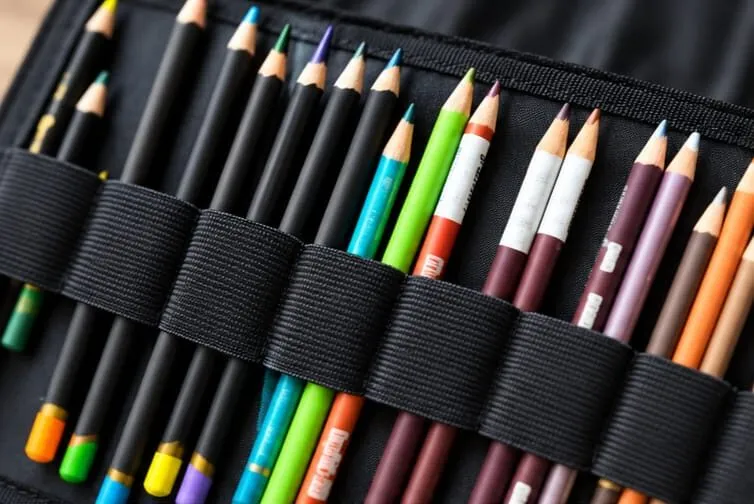
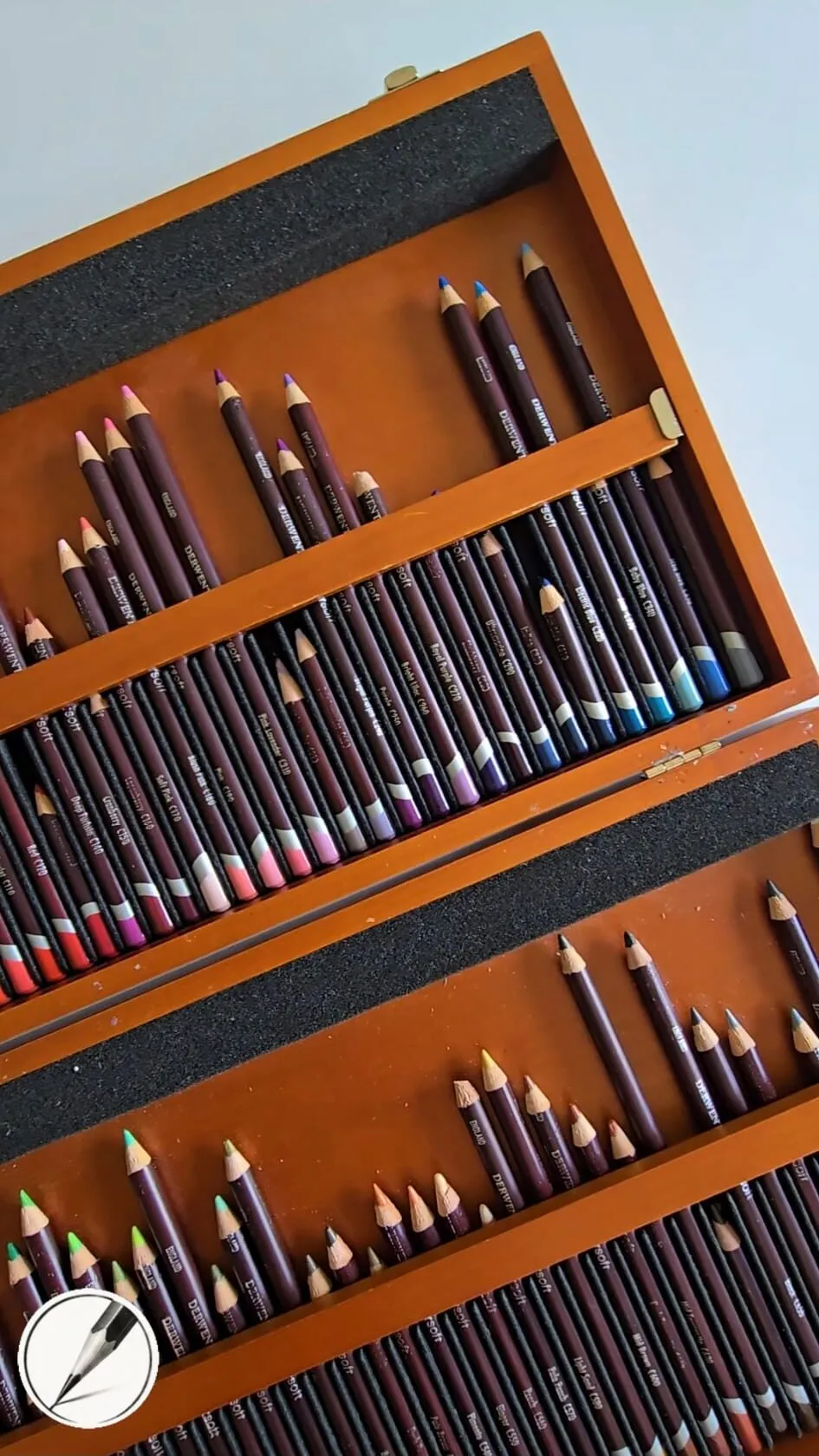
A pencil roll case holding coloured pencils.
Best set for portraits
Portraits need soft transitions, natural skin tones and smooth blending. Derwent Coloursoft gives a velvety, rich feel with soft blending. At the premium end, Michael rates Caran d’Ache Luminance as unmatched for skin tones and soft gradients, and Derwent Lightfast as rich and blendable for shadows and undertones.
A set that includes a good range of warm neutrals, browns, muted reds and greys will serve you better for skin than a set full of bright primaries. Add a firmer pencil, such as Polychromos, for eyes, eyelashes and hair. See best coloured pencils for portraits and how to draw portraits in coloured pencil.
Best set for wildlife and detail
Faber-Castell Polychromos is the standard recommendation for wildlife. They are oil-based and firm, known for precision, clean layering and sharp points, and they are especially popular among wildlife and still-life artists. The range has 120 colours, which helps when you need many subtle browns, greys and earth tones for fur and feathers.
If you are drawing animals, Derwent Drawing pencils are also worth considering for their muted, earthy tones, which suit wildlife, nature and atmospheric work. Read how to draw animal fur for the method that makes any pencil look convincing.
Who should look elsewhere: if you prefer smooth, blended, painterly animals, softer pencils will be easier, with firmer ones on top for fine hair.
Best set for still life
Still life covers everything from crisp glass and metal to soft food, so the answer is often two kinds of pencil. Polychromos is best for crisp edges, glass, metal and reflective surfaces. For rich colour and painterly food textures, a soft set such as Coloursoft works beautifully.
If your still lifes are glossy and reflective, working on grey paper often improves them more than a new set; see why use grey paper for coloured pencil and how to draw glossy surfaces.
Best set for water-soluble work
Derwent Inktense pencils are water-soluble ink pencils that behave like ink when wet and are permanent once dry. You can use them dry like a pencil or activate them with a brush and water for vivid, wash-like colour. That makes them a different tool from dry coloured pencils, and they are best for artists who want bold washes and layered glazes.
For a wider look at water-soluble options, including Caran d’Ache Museum Aquarelle, see best watercolour pencils. If you plan to add water, use paper that copes with it; best paper for coloured pencils explains what to look for.
Best set for professionals
Professional pencils are defined by high pigment concentration, excellent lightfastness, smooth layering and predictable behaviour. The three names most often mentioned are Faber-Castell Polychromos, Caran d’Ache Luminance and Derwent Lightfast. Each has a distinct character: Polychromos firm and precise, Luminance soft and creamy, and Lightfast balanced between them.
Our Polychromos versus Luminance versus Lightfast comparison covers the differences in detail, and professional versus student coloured pencils explains what the upgrade buys. If you sell or exhibit your work, check the published lightfastness ratings for the colours you use.
How to choose set size
Set size trips up more buyers than brand does. Rather than counting pencils, think in three broad tiers.
| Tier | Typical use | Best for | Watch out for |
|---|---|---|---|
| Small | Learning, travel, simple subjects | Beginners, sketching, learning to mix | Gaps in skin tones, greys and greens |
| Mid-sized | Most subjects | Hobbyists and improving artists | Duplicates of colours you already own |
| Large | Complex, colour-matched work | Portraits, wildlife, commissions | Higher outlay, colours you may never use |
A small set forces you to mix, which teaches colour theory faster than a big box does. A mid-sized set covers most needs. A large set saves time by holding subtle in-between shades ready, which matters when you match colours closely. What counts is what is in the set, not just how many: check for a good white, a warm and cool version of each primary, some earthy browns and a few neutral greys. Then fill gaps with open stock singles, if the range sells them.
Our how many coloured pencils do you need guide takes this further, and our colour scheme generator helps you plan a limited palette.
Setting your kit up properly
A set is only part of a kit. A good sharpener, a suitable paper and a soft eraser change results more than the difference between two good sets. Read best pencil sharpeners for coloured pencils, best erasers for coloured pencils and best drawing supplies for beginners.
The short version
Start with Chromaflow if you are new, Coloursoft for soft, portrait-style work, Polychromos for detail and wildlife, Derwent Drawing for muted natural tones and Inktense for water-soluble colour. Choose the smallest set that covers your subjects, top it up with single pencils, and check current ranges and lightfastness charts. Still deciding? Take the which pencil set quiz.
Where to buy
Recommended products
Affiliate links. We may earn a small commission if you buy, at no extra cost to you. Why?
Pencils · Derwent
Derwent Chromaflow Pencils
Vibrant, smooth and forgiving - a friendly set for learning layering and blending.
Pencils · Derwent
Derwent Coloursoft Pencils
Soft, velvety and richly pigmented - excellent for painterly blending and bold colour.
Pencils · Faber-Castell
Faber-Castell Polychromos
Firm, oil-based artist pencils that hold a point - a benchmark for detail and clean layering.
Pencils · Derwent
Derwent Drawing Pencils
Muted, earthy tones suited to wildlife, nature and atmospheric work.
Pencils · Derwent
Derwent Inktense Pencils
Water-activated pencils with intense, ink-like colour for mixed-media work.
Buy on AmazonAffiliate link · opens Amazon
Pencils · Derwent
Derwent Lightfast Coloured Pencils
Premium, creamy pencils with excellent lightfastness - well suited to professional realism.
Pencils · Faber-Castell
Faber-Castell Goldfaber
Firm enough for detail, soft enough for shading - an accessible introduction to the feel of Polychromos.
Pencils · Prismacolor
Prismacolor Premier
Creamy, smooth pencils famous for easy blending and soft shading.
Pencils · Caran d'Ache
Caran d'Ache Pencils
Premium artist pencils - Luminance is creamy and opaque for portraits, Pablo is firmer for detail.
Quick answers
Frequently asked questions
What is the best coloured pencil set for beginners?+
Derwent Chromaflow is a strong first choice because it is vibrant, soft and easy to blend, which makes learning layering and transitions straightforward. Prismacolor Premier and Faber-Castell Goldfaber are also good beginner options. Start with a smaller set and add colours as you learn what you actually use.
How many pencils should be in my first set?+
Fewer than you might think. A small set is enough to learn pressure, layering and mixing, and it forces you to mix colours rather than reach for a ready-made shade. Add colours as gaps appear. Our guide on how many coloured pencils you need explains how to decide.
Are colored pencils and coloured pencils the same?+
Yes. Colored is the US spelling and coloured the UK spelling of the same pencils. Set names such as Polychromos, Coloursoft and Chromaflow are brand names and do not change, so the same sets appear in searches under either spelling.
Should I buy a big set or a small set?+
Buy the smallest set that covers your subjects, then expand. A large set saves time when you draw complex subjects or match colours closely, but it is a bigger outlay and many beginners never use every colour. Sets that can be topped up with single pencils give you the most flexibility.