Coloured Pencils
Derwent Inktense Pencils Reviewed
Derwent Inktense water-activated pencils reviewed: intense ink-like colour for mixed media, dry and wet techniques, paper needs and who they suit.
This guide contains affiliate links. If you buy through them we may earn a small commission at no cost to you. How this works.
Jump to recommended products
Key takeaways
- ◆Inktense pencils are water-activated pencils with intense, ink-like colour, made for mixed media.
- ◆Used dry they draw like a coloured pencil; touched with water the pigment turns to vivid ink.
- ◆The maker states that the colour is permanent once dry when activated with water, so layers of wash can be built without lifting earlier ones.
- ◆They need paper that can handle water, so toned pencil paper and thin sketchbook pages are poor choices for wet work.
- ◆They suit artists who want bold, graphic or loose colour, and less so those chasing soft, dry realism.
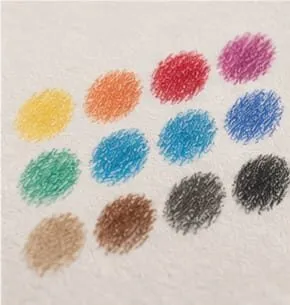
Derwent Inktense is the odd one out in a box of coloured pencils (colored pencils in the US). It is a water-activated pencil with intense, ink-like colour, built for mixed media rather than for traditional dry layering. Draw with it dry and it behaves like a pencil; add water and it becomes vivid, bold colour closer to ink or paint.
This review covers how Inktense behaves dry and wet, what paper it needs, and who should buy it. As always, check the manufacturer’s current range and guidance, since specifications and set sizes change. If you are comparing water-soluble options more widely, our roundup of the best watercolour pencils is the place to start, and the pencil set quiz can help if you are not sure water-soluble is right for you.
What Inktense is
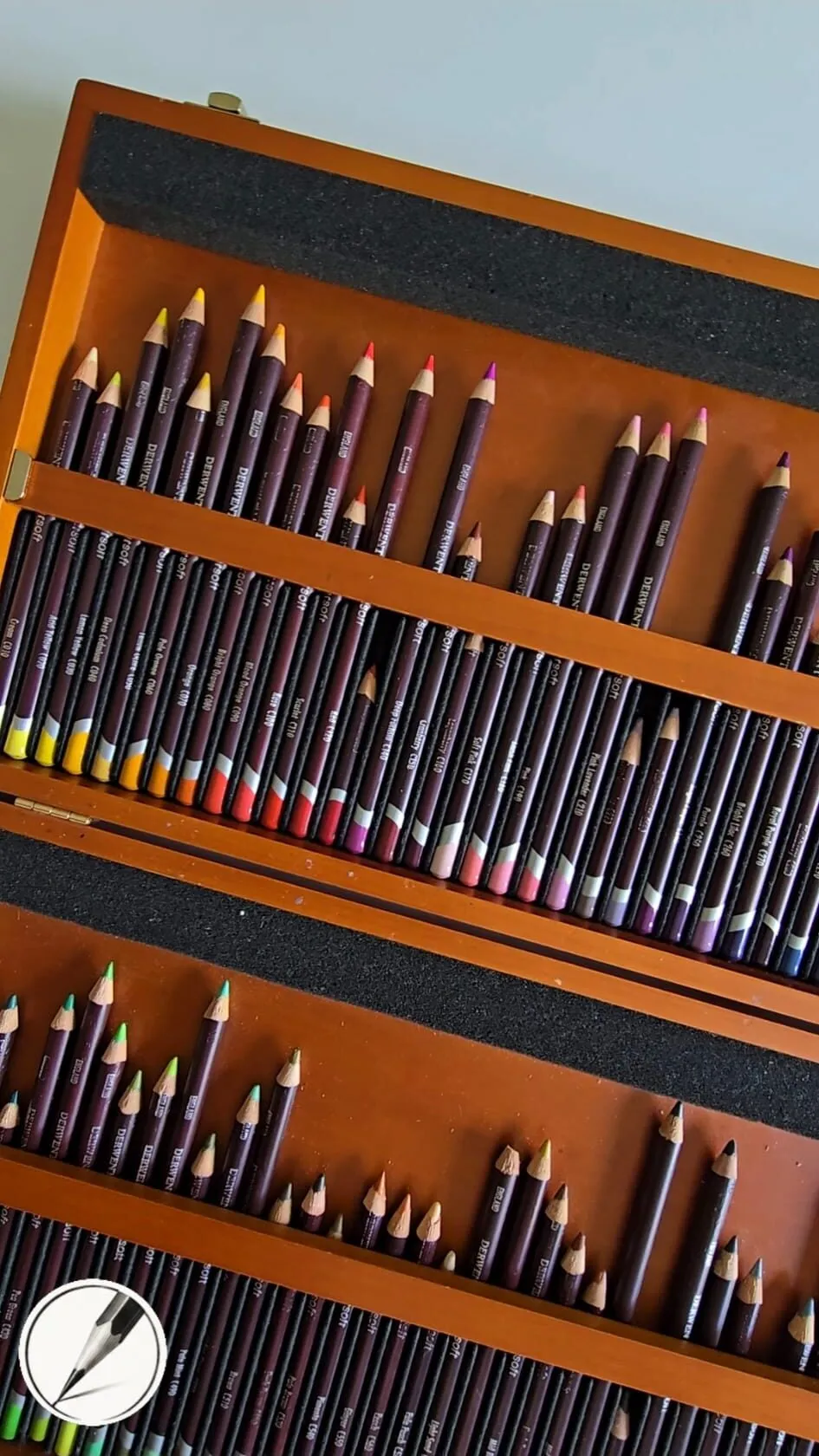
Michael groups Inktense with the water-soluble pencils: intense, ink-like colour for mixed media. In Derwent’s own range overview, it sits beside the dry ranges as a distinct tool, which is why our Derwent coloured pencils overview treats it separately.
The defining feature is what happens when water touches the pigment. The marks dissolve into a strong, ink-like wash. The maker states that the colour is permanent once dry when activated with water, so you can layer washes over earlier ones without dragging the first layer back up. That is a real difference from many watercolour pencils, and one reason artists choose Inktense for layered wet work. Check Derwent’s current guidance for the details, and test on your own paper.
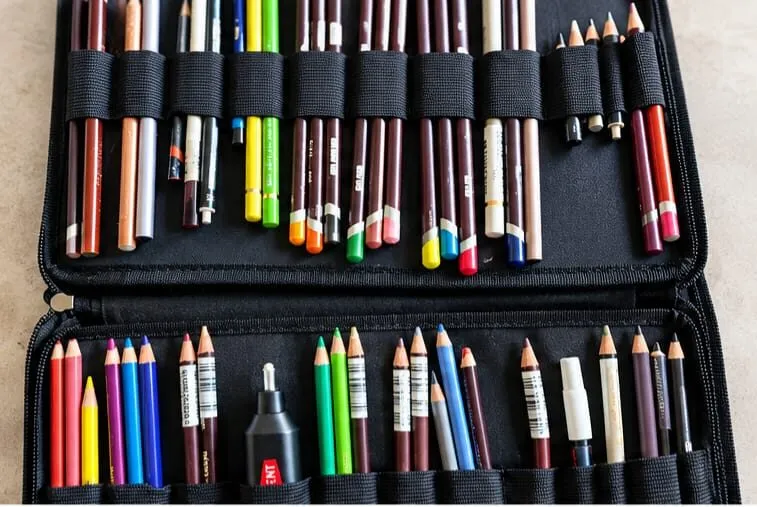
An open pencil case holding coloured pencils, pens and a small bottle.
Using Inktense dry
Dry, it draws like a coloured pencil, though it is not the same as a wax-based or oil-based pencil for realism. The pigment is strong, so colours look bold even with light pressure.
Dry use suits:
- Line and hatching. Fine lines and cross-hatching in intense colour, left as they are.
- Sketching and notes. Quick colour studies without a wet set-up.
- Preparing for water. Laying colour where you plan to activate it later.
If you are used to soft blending on a wax pencil, expect a different result. Dry Inktense is better for graphic, vivid marks than for buttery gradients. For traditional dry blending, see how to blend coloured pencils.
Using Inktense wet
Wet use is where the pencil earns its name. There are several approaches, and swatching them on your own paper shows what each does.
- Draw dry, then wash. Lay colour, then go over it with a clean, damp brush. The pigment melts into an ink-like wash, strongest where the pencil was densest.
- Wet the paper first. Draw onto damp paper for softer, bleeding lines and more immediate colour.
- Dip or wet the tip. Touching the point to water gives a rich, saturated line. Use this sparingly and test first.
- Pick up colour with a brush. Rub a wet brush on the pencil tip or scribble a palette, then paint like watercolour.
- Layer washes. Let the first layer dry completely, then add more. Because the colour is stated to be permanent once dry, earlier layers should stay put.
Keep the brush clean between colours and work light to dark where you can. A dry layer of pencil over a dry wash can add crisp detail back on top, a combination that mixes the best of wet and dry.
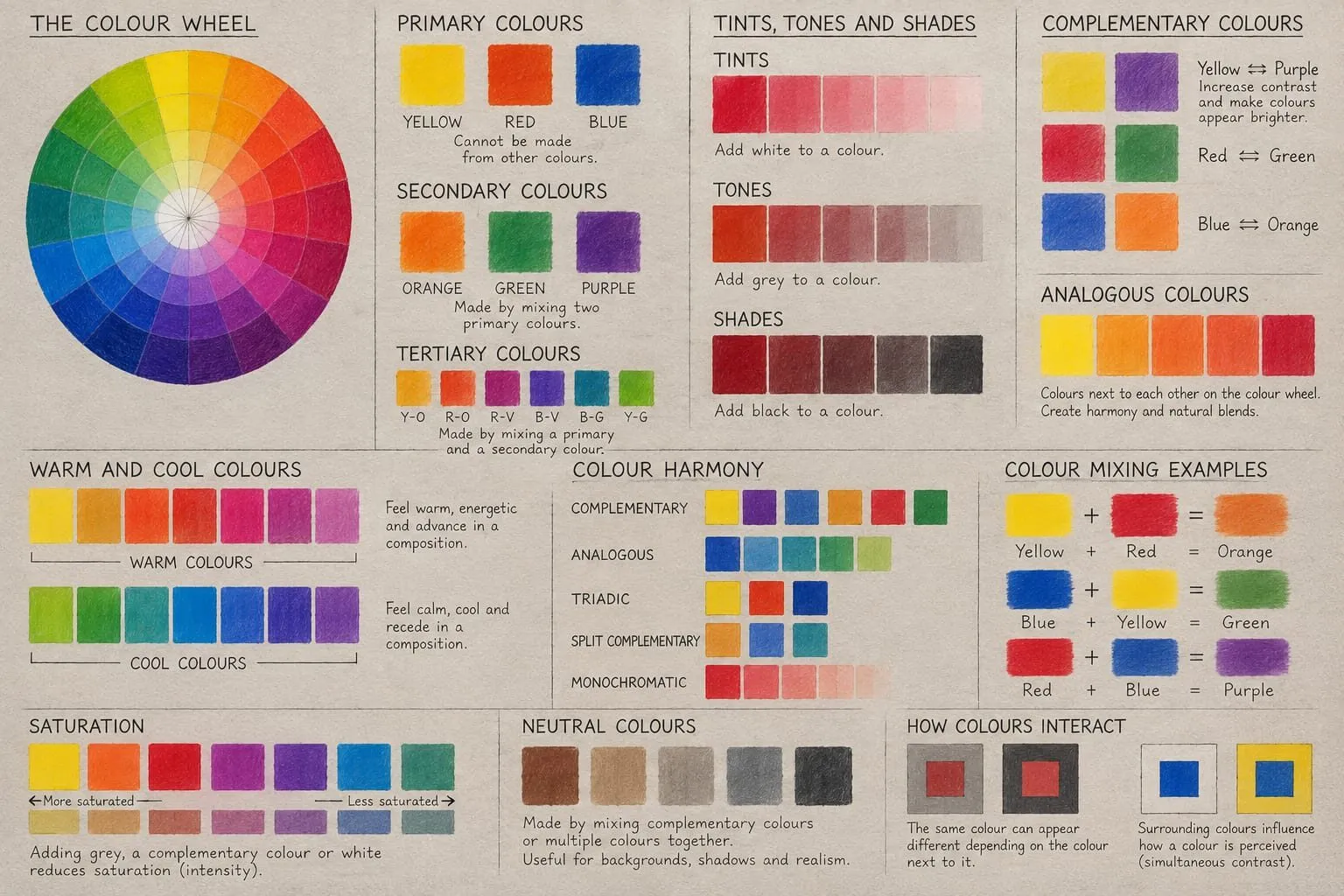
A hand-lettered colour theory chart showing the colour wheel, primary, secondary and tertiary colours, tints, tones and shades, harmony schemes and mixing examples.
Paper needs
This is the single biggest practical point. Water changes everything about paper.
| Paper type | Suitability for wet Inktense |
|---|---|
| Watercolour paper (cold press or hot press) | Good: built to take water and layers |
| Heavyweight mixed media paper | Good for light washes; test first |
| Smooth hot press drawing paper | Variable: check the paper’s weight and sizing |
| Thin cartridge or sketchbook paper | Poor: buckles, pills or bleeds through |
| Toned pencil paper | Usually poor for heavy washes |
Weight and surface both matter, and our paper weight (gsm) explained and hot press vs cold press paper guides help you choose. A lightweight sheet can cockle with water, so heavier paper, taped or stretched, is safer. See best paper for coloured pencils for general options, and treat dry use as the exception that works on most surfaces.
Mixing Inktense with other pencils
Many artists combine water-soluble pencils with traditional dry pencils. A common approach is to lay a wet underpainting and then refine with dry layers once it is fully dry. That idea is explored in underpainting in coloured pencil and related methods in using solvents with coloured pencils.
The key is to do the wet stage first and let it dry completely. Wax and oil pencils on top will not activate with water, so the order matters. Test the combination on a scrap, since surface sizing and paper choice affect how well dry layers grip over wash.
Who it suits
- Mixed media artists who like combining line, wash and texture.
- Sketchbook and travel artists who want watercolour-like effects from a pencil set and a brush.
- Illustrators who want bold, graphic colour.
- Coloured pencil artists curious about wet work as an underpainting or background.
It is less suited to:
- Realism purists who want soft, dry, tightly layered surfaces.
- Beginners with only thin paper, since wet work needs suitable paper.
- Anyone who wants to erase and adjust freely. Activated colour is stated to be permanent once dry, so mistakes are harder to remove.
How it compares
Inktense is water-activated with intense colour, while a standard pencil such as Coloursoft is velvety and dry for soft blending. Other water-soluble options exist, including Caran d’Ache’s Museum Aquarelle, which Michael describes as water-soluble but highly pigmented and ideal for mixed media. Our best watercolour pencils roundup compares the options, and best coloured pencils shows how dry pencils compare.
Buying advice
Sets come in small, mid and large sizes, and colour counts change, so check the current range. A small or mid set is enough to learn how the pencils behave, and colour mixing with wet work is forgiving because washes blend naturally. Buy at least one round brush and a pad of paper that suits water at the same time. For lightfastness, check Derwent’s published information for the colours you use, especially if you plan to sell.
A simple first exercise
If you have never used water-activated pencils, a single swatch page teaches more than a finished drawing. Use the paper you plan to work on, and try this.
- Draw a row of small squares, each in a different colour, pressing lightly in one half and firmly in the other.
- Activate half of each square with a damp brush and leave the other half dry. Note the difference between wet and dry.
- Let it dry completely, then lay a second colour across the top and compare the result with the first layer.
- Try a wet-paper sample by drawing onto dampened paper to see how the line softens.
- Label the page with the paper type and date so you can compare other papers later.
This swatch will show you how strong the colour becomes, how the paper responds to water and whether you like the graphic, vivid results. It also works as a reference for later, since colours change between dry and wet states. If you enjoy the effect, a simple subject such as a landscape, an animal in a field or a bold flower is a good first project; our lessons on how to draw clouds and skies and how to draw a horse apply well to loose, wash-based work.
The short version
Derwent Inktense is a water-activated pencil with intense, ink-like colour for mixed media. Use it dry for bold line, or wet for vivid washes that the maker states are permanent once dry. Choose paper that can handle water, swatch first, and treat it as a companion to your dry pencils rather than a replacement. For the wider field, see the best watercolour pencils.
Where to buy
Recommended products
Affiliate links. We may earn a small commission if you buy, at no extra cost to you. Why?
Pencils · Derwent
Derwent Inktense Pencils
Water-activated pencils with intense, ink-like colour for mixed-media work.
Buy on AmazonAffiliate link · opens Amazon
Quick answers
Frequently asked questions
What are Derwent Inktense pencils?+
Inktense are water-activated pencils with intense, ink-like colour, made for mixed media. You can draw with them dry like a normal coloured pencil, or go over the marks with a wet brush to turn the pigment into vivid, ink-like colour. Check the current range for set sizes and colours.
Are Inktense pencils permanent?+
The maker states that the colour becomes permanent once dry when activated with water, which means later washes should not lift the earlier layer. Dry, unactivated marks behave differently, so test on your paper. Check Derwent's current guidance and the lightfastness information for the colours you plan to use.
Can you use Inktense on any paper?+
No. Wet work needs paper that can cope with water, such as watercolour or heavyweight mixed media paper. Thin cartridge paper or smooth hot press pencil paper can buckle or pill. Test a swatch on your chosen paper first, and see our paper guides for heavier options.
Are colored pencils and coloured pencils the same thing?+
Yes. Coloured is the UK spelling and colored is the US spelling of the same medium. Inktense is water-soluble rather than a standard dry pencil, but artists searching for colored pencils or coloured pencils will find it listed under both spellings.